top of page

Traveling is one of life’s greatest joys. Whether you’re planning a solo adventure, a romantic getaway, or a family vacation, the excitement of exploring new places is unmatched. But before you pack your bags, there’s one important step you shouldn’t overlook: securing travel insurance. Buying travel insurance online can feel overwhelming at first, but it doesn’t have to be. With a little guidance, you can find the perfect coverage that fits your needs and budget, all from the comfort of your home.


Why Buying Travel Insurance Online Makes Sense


In today’s digital world, buying travel insurance online is not only convenient but also smart. You can compare different plans, read reviews, and understand what each policy covers without rushing through a phone call or visiting an office. Plus, online platforms often provide instant quotes and easy payment options, making the whole process smooth and hassle-free.


Imagine sitting at your favorite coffee shop or relaxing on your couch, browsing through options tailored just for your trip. You can take your time, ask questions in chat support, and even download your policy immediately. It’s travel planning made simple.


Eye-level view of a laptop screen showing travel insurance options

How to Buy Travel Insurance Online: A Step-by-Step Guide


If you’re wondering how to buy travel insurance online, here’s a straightforward approach to help you get started:


  1. Assess Your Travel Needs

    Think about your destination, trip length, activities planned, and any health conditions. For example, if you’re going hiking or scuba diving, you might need extra coverage for adventure sports.


  2. Compare Plans and Coverage

    Look for policies that cover trip cancellations, medical emergencies, lost luggage, and travel delays. Pay attention to the limits and exclusions.


  3. Check Reviews and Ratings

    Reading what other travelers say can give you peace of mind about the insurer’s reliability and customer service.


  4. Get a Quote

    Enter your trip details on the insurance website to receive a personalized quote. This usually takes just a few minutes.


  5. Read the Fine Print

    Before purchasing, carefully review the terms and conditions. Make sure you understand what’s covered and what’s not.


  6. Purchase and Save Your Policy

    Once you’re happy with the plan, buy it online and save a copy of your policy. Keep it handy during your trip.


Buying travel insurance online allows you to tailor your coverage to your unique travel plans. It’s empowering to know you’re protected without the stress of last-minute decisions.


What’s the Best Travel Insurance for Diabetes?


Traveling with diabetes requires a bit more planning, especially when it comes to insurance. The best travel insurance for diabetes should cover:


  • Medical emergencies related to diabetes

This includes hospital stays, doctor visits, and medication.


  • Lost or delayed medication

Some policies offer coverage if your insulin or other supplies are lost or delayed.


  • Pre-existing condition coverage

Make sure the policy explicitly covers your diabetes as a pre-existing condition.


  • Emergency evacuation

In case of a serious health issue, having coverage for medical evacuation is crucial.


When searching for insurance, look for companies that specialize in or have experience with chronic conditions. Don’t hesitate to contact customer service to clarify any doubts. Having the right coverage means you can enjoy your trip without worrying about your health.


Close-up view of a travel medical kit with diabetes supplies

Tips for Finding the Right Travel Insurance for Your Trip


Choosing the right travel insurance can feel like a puzzle, but these tips can help you put the pieces together:


  • Start early

Don’t wait until the last minute. Buying insurance soon after booking your trip often gives you more options and better coverage.


  • Consider your destination

Some countries have higher medical costs or specific risks. Tailor your coverage accordingly.


  • Look for flexible policies

Plans that allow changes or cancellations without hefty fees are a lifesaver if your plans shift.


  • Check for 24/7 support

Having access to help anytime, anywhere, is invaluable when you’re abroad.


  • Bundle with other travel services

Sometimes, travel agencies or booking platforms offer insurance packages that fit your itinerary perfectly.


Remember, travel insurance is about peace of mind. It’s a small investment that can save you from big headaches later.


Making Travel Insurance Part of Your Travel Planning Routine


Incorporating travel insurance into your planning routine is easier than you think. After booking flights and accommodations, set a reminder to research and purchase insurance. Keep a digital folder with all your travel documents, including your insurance policy, emergency contacts, and medical information.


If you’re traveling with family or a group, consider a policy that covers everyone. Group plans can be more affordable and simplify managing claims if something goes wrong.


And don’t forget to review your policy before each trip. Your needs might change depending on the destination, length of stay, or activities planned.


Travel insurance is not just a safety net - it’s a smart travel companion that helps you focus on the joy of your journey.


Travel insurance doesn’t have to be complicated or stressful. By understanding your needs, comparing options, and buying online, you can secure the right coverage quickly and confidently. So, why wait? Start exploring your options today and make your next trip worry-free.


If you want to learn more about how to buy travel insurance online, check out this helpful guide that walks you through every step.


Safe travels and happy adventures!



Traveling is one of life’s greatest joys. Whether you’re planning a solo adventure, a romantic getaway, or a family vacation, the excitement of exploring new places is unmatched. But have you ever paused to think about what happens if things don’t go as planned? That’s where travel insurance steps in. It’s like a safety net, giving you peace of mind when the unexpected occurs. Today, I want to walk you through the essentials of travel insurance policies, so you can travel confidently and stress-free.


Your Travel Insurance Policies Guide: What You Need to Know


Travel insurance can feel overwhelming at first. There are so many terms, conditions, and options that it’s easy to get lost. But breaking it down into simple parts makes it much easier to understand. At its core, travel insurance is designed to protect you financially from mishaps during your trip. This can include anything from a delayed flight to a medical emergency abroad.


Here are the main types of coverage you’ll find in most travel insurance policies:


  • Trip Cancellation and Interruption: If you need to cancel or cut short your trip due to illness, a family emergency, or other covered reasons, this coverage reimburses your prepaid, non-refundable expenses.

  • Medical Coverage: This is crucial if you get sick or injured while traveling. It covers hospital stays, doctor visits, and sometimes emergency evacuation.

  • Baggage Loss or Delay: If your luggage is lost, stolen, or delayed, this helps cover the cost of essentials or replacing your belongings.

  • Travel Delay: If your trip is delayed for a certain number of hours, this coverage reimburses expenses like meals and accommodations.

  • Emergency Evacuation: In case of a natural disaster or medical emergency, this pays for transportation to a safe location or back home.


Understanding these basics helps you pick the right policy for your trip. For a deeper dive, I recommend checking out this helpful resource on understanding travel insurance policies.


Eye-level view of a travel insurance policy document on a wooden table

How to Choose the Right Travel Insurance Policy for You


Choosing the right travel insurance policy is like picking the perfect travel companion - it should fit your needs and make your journey smoother. Here’s how I approach it:


  1. Assess Your Trip Type and Destination

    Are you traveling internationally or domestically? Is your trip adventurous, like hiking or scuba diving? Some policies exclude high-risk activities, so make sure your coverage matches your plans.


  2. Consider Your Health and Age

    If you have pre-existing conditions or are traveling with seniors or children, look for policies that offer comprehensive medical coverage.


  3. Check What’s Already Covered

    Sometimes your credit card or health insurance offers some travel protection. Knowing what’s already covered can help you avoid paying for duplicate coverage.


  4. Look at the Policy Limits and Exclusions

    Every policy has limits on how much it will pay and what it excludes. Read the fine print carefully. For example, some policies won’t cover cancellations due to “change of mind.”


  5. Compare Prices and Reviews

    Price is important, but don’t choose a policy based on cost alone. Look for reputable providers with good customer service and straightforward claims processes.


  6. Think About Add-Ons

    Some policies offer extras like rental car coverage or coverage for expensive electronics. Decide if these are worth it for your trip.


By following these steps, you’ll find a policy that feels like a perfect fit. Remember, the goal is to protect your investment and your peace of mind.


Does Chase Sapphire Have Travel Insurance?


If you’re a Chase Sapphire cardholder, you might wonder if your card offers travel insurance benefits. The good news is that many premium credit cards, including Chase Sapphire, do provide some travel insurance coverage as part of their perks.


Typically, Chase Sapphire cards offer:


  • Trip Cancellation/Interruption Insurance: Covers non-refundable expenses if your trip is canceled or interrupted for covered reasons.

  • Travel Accident Insurance: Provides coverage in case of accidental death or dismemberment during travel.

  • Baggage Delay Insurance: Reimburses you for essential items if your baggage is delayed.

  • Trip Delay Reimbursement: Covers expenses if your trip is delayed for a certain number of hours.


However, it’s important to note that these benefits usually apply only when you purchase your trip using the Chase Sapphire card. Also, coverage limits and exclusions apply, so it’s wise to review the card’s benefits guide carefully.


If you want more comprehensive protection, especially for medical emergencies or adventure activities, you might still want to consider purchasing a dedicated travel insurance policy.


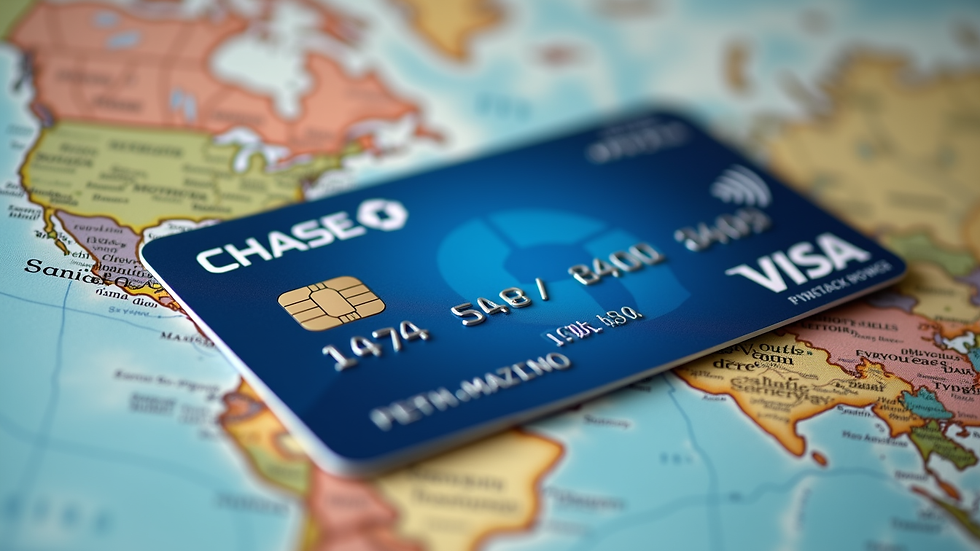
Close-up view of a Chase Sapphire credit card on a travel map

Tips for Filing a Travel Insurance Claim Successfully


Filing a claim can feel daunting, but it doesn’t have to be. Here are some tips to make the process smoother:


  • Keep All Receipts and Documentation

Save your boarding passes, medical bills, police reports, and any other relevant documents. These are your proof when filing a claim.


  • Report Issues Immediately

Contact your insurance provider as soon as something happens. Early reporting can speed up the process.


  • Understand Your Policy’s Requirements

Know what your policy covers and what it doesn’t. This helps you avoid submitting claims that won’t be approved.


  • Be Honest and Detailed

Provide clear and truthful information. Include all necessary details to support your claim.


  • Follow Up Regularly

Stay in touch with your insurer to check on the status of your claim.


By being organized and proactive, you can reduce stress and increase your chances of a successful claim.


Why Travel Insurance is a Must-Have for Personalized Travel Experiences


When you’re planning a personalized trip, every detail matters. You want your journey to be seamless, memorable, and worry-free. Travel insurance is a key part of that equation. It protects your investment and your well-being, so you can focus on enjoying your adventure.


Imagine this: You’re on a carefully planned trip, and suddenly your flight is canceled due to weather. Without insurance, you might face hefty out-of-pocket costs for rebooking and accommodations. With the right policy, those expenses are covered, and you can relax knowing you’re protected.


Or picture a medical emergency abroad. Having travel insurance means you won’t have to worry about expensive hospital bills or emergency evacuation. Instead, you get the care you need without financial stress.


Travel insurance also offers flexibility. Plans can be tailored to your trip’s length, destination, and activities. This personalized protection aligns perfectly with the personalized travel experiences you seek.


So, next time you’re booking your dream trip, remember that travel insurance is not just an add-on - it’s an essential part of your travel toolkit.


Travel insurance might not be the most exciting part of trip planning, but it’s one of the smartest. By understanding what policies cover, how to choose the right one, and how to navigate claims, you’re setting yourself up for a smoother, safer journey. Whether you’re exploring new cities, relaxing on a beach, or hiking through nature, having the right travel insurance means you can focus on what really matters - making unforgettable memories.


Safe travels!


Traveling is more than just ticking destinations off a list. It’s about feeling the heartbeat of a place, connecting with its people, and diving into its culture. When I first discovered immersive travel experiences, my trips transformed from simple sightseeing tours into unforgettable adventures. If you’re craving something more meaningful from your journeys, you’re in the right place. Let’s explore how embracing immersive travel can deepen your adventures and create memories that last a lifetime.


What Are Immersive Travel Experiences?


Immersive travel experiences invite you to step beyond the usual tourist paths. Instead of just observing, you become part of the story. Imagine learning to cook traditional dishes in a local home, joining a community festival, or exploring hidden trails with a native guide. These moments offer a richer understanding of the places you visit.


Why settle for surface-level travel when you can dive deep? Immersive travel experiences help you:


  • Connect authentically with local cultures

  • Gain new skills and perspectives

  • Support local communities directly

  • Create stories that resonate long after your trip ends


For example, during a trip to Oaxaca, Mexico, I joined a family in their kitchen to learn how to make mole from scratch. The experience was not only delicious but also a window into their traditions and daily life. That’s the magic of immersive travel.


Eye-level view of a rustic kitchen with traditional cooking ingredients

Why Choose Immersive Travel Experiences?


Choosing immersive travel experiences means choosing depth over breadth. It’s about quality moments that enrich your understanding and appreciation of a destination. Here’s why I believe it’s worth it:


  1. Personal Growth

    Immersive travel challenges your comfort zone. You learn new languages, customs, and ways of life. This growth stays with you long after you return home.


  2. Meaningful Connections

    Meeting locals in authentic settings fosters genuine friendships. These connections often lead to insider tips and unique opportunities you won’t find in guidebooks.


  3. Sustainable Impact

    By engaging with local businesses and communities, you contribute to sustainable tourism. Your travel dollars help preserve cultures and environments.


  4. Memorable Stories

    Instead of generic photos, you collect stories that inspire and move you. These stories become part of your personal journey.


Have you ever wondered what it feels like to truly belong somewhere new? Immersive travel experiences offer that feeling.


Where to Go for a Trip of a Lifetime?


Choosing the right destination is key to a fulfilling immersive travel experience. Some places naturally lend themselves to deep cultural engagement and adventure. Here are a few ideas to spark your wanderlust:


  • Japan: Explore rural villages, participate in tea ceremonies, and stay in traditional ryokans. The blend of ancient customs and modern life is fascinating.


  • Peru: Beyond Machu Picchu, discover Andean communities, learn weaving techniques, and hike lesser-known trails with local guides.


  • Morocco: Wander through vibrant souks, cook tagine with Berber families, and camp under the stars in the Sahara Desert.


  • Italy: Join olive harvests in Tuscany, take pasta-making classes in small towns, and experience local festivals.


  • Vietnam: Cruise the Mekong Delta with fishermen, try street food with locals, and visit artisan workshops.


Each of these destinations offers countless opportunities to immerse yourself fully. The key is to seek experiences that resonate with your interests and values.


High angle view of a colorful market street in Morocco

How to Plan Your Immersive Travel Adventure


Planning an immersive trip might feel overwhelming at first, but breaking it down makes it manageable and fun. Here’s a simple guide to get you started:


1. Define Your Interests

What excites you most? Food, history, nature, art, or community service? Knowing this helps you choose the right experiences.


2. Research Local Experiences

Look for authentic activities led by locals. Websites, travel blogs, and forums can be great resources. Don’t hesitate to reach out to local guides or agencies.


3. Choose Accommodations Wisely

Opt for homestays, guesthouses, or small boutique hotels that reflect local culture. Staying with locals enhances your immersion.


4. Pack Light and Smart

Bring essentials that suit your activities. Comfortable shoes, a reusable water bottle, and a journal for notes and reflections are must-haves.


5. Be Open and Respectful

Approach every experience with curiosity and respect. Learn a few phrases in the local language and be mindful of customs.


6. Use a Trusted Travel Partner

If planning feels daunting, consider working with a travel agency specializing in immersive travel. They can tailor your trip to your preferences and handle logistics.


UriEva's Immersive Travel, for example, focuses on personalized, stress-free travel planning. They help turn your dream trips into meticulously curated, unforgettable experiences.


Tips for Making the Most of Your Immersive Travels


Once you’re on the ground, how do you ensure your trip is truly immersive? Here are some practical tips:


  • Slow Down

Resist the urge to rush. Spend extra time in one place to absorb its atmosphere.


  • Engage with Locals

Start conversations, ask questions, and listen. People love sharing their stories.


  • Try New Things

Whether it’s a new food or a traditional dance, say yes to experiences outside your comfort zone.


  • Document Your Journey

Keep a travel journal or blog. Reflecting on your experiences deepens your connection.


  • Give Back

Support local artisans by buying handmade goods. Volunteer if you have time.


  • Stay Present

Put away your phone sometimes. Let your senses guide you.


Remember, immersive travel is about quality, not quantity. It’s better to have a few deep experiences than many shallow ones.


Travel is a powerful way to grow, connect, and create lasting memories. By embracing immersive travel experiences, you open yourself to a world of deeper adventures. Whether you’re exploring a bustling market, sharing a meal with a family, or hiking a hidden trail, these moments enrich your journey in ways that photos alone cannot capture.


Ready to start your next adventure? Dive into immersive travels and discover the joy of truly living your travel dreams. Your next unforgettable experience awaits!


© 2023 by Skyline

Frequently asked questions

bottom of page